

Cultural identity is like that quirky sweater grandma knitted for you—unique, warm, and sometimes a little mismatched. It shapes who people are and how they see the world, blending traditions, languages, and experiences into a colorful tapestry. In a world that often feels like a melting pot of cultures, understanding one’s cultural identity can be both a joy and a challenge.
Understanding Cultural Identity
Cultural identity encompasses the beliefs, values, and practices that define a group or individual. It shapes personal perspectives and influences interactions with others in diverse settings.
Defining Cultural Identity
Cultural identity forms through shared experiences and collective histories. It combines elements such as ethnicity, nationality, and language. Individuals express cultural identity uniquely, reflecting their backgrounds and chosen affiliations. For instance, someone might embrace traditions from their ancestral country while also integrating aspects of the culture where they currently reside. The interplay of various influences creates a dynamic and multifaceted identity.
Importance of Cultural Identity
Cultural identity holds significant value in fostering community and belonging. Collective narratives and shared rituals strengthen connections among individuals. By understanding one’s cultural identity, a person gains clarity about their role in society and their values. This self-awareness enhances confidence and promotes acceptance in multicultural environments. Studies indicate that a strong cultural identity can lead to improved mental well-being, as individuals feel empowered and validated in their uniqueness.
Factors Influencing Cultural Identity
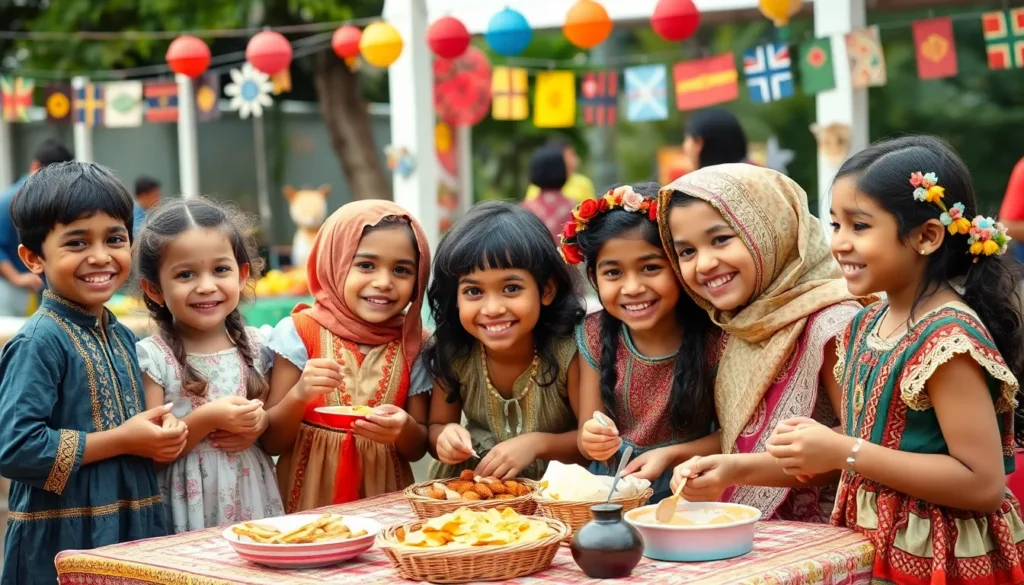
Cultural identity emerges from various influences throughout life. These factors play a critical role in shaping how individuals connect with their heritage and community.
Family and Upbringing
Family dynamics significantly impact cultural identity. Traditions, rituals, and values passed down through generations create a foundation for an individual’s sense of self. Parents often instill cultural norms and practices, guiding children in their understanding of their backgrounds. Celebrating holidays together reinforces shared customs and strengthens family ties, promoting continuity. Moreover, the language spoken at home plays an essential role, as it connects individuals to their ancestry and enhances communication within their community.
Education and Socialization
Educational experiences shape cultural identity by introducing diverse perspectives. Schools expose students to differing cultures, promoting interaction with peers from various backgrounds. Classroom discussions encourage critical thinking about one’s own cultural beliefs and values. Additionally, extracurricular activities foster connections across cultures, providing a platform for shared experiences. Forming friendships in these environments enhances understanding and acceptance of cultural differences, leading to broader worldviews.
Media and Technology
Media and technology influence how cultural identity is expressed and perceived. Digital platforms allow individuals to share cultural traditions while accessing global perspectives. Social media communities provide a space for exchanging ideas and celebrating diverse cultures, promoting inclusivity. Furthermore, films, music, and literature serve as windows into different heritages, shaping perceptions and understanding. Engaging with various content helps individuals explore their cultural identities more deeply, often blending traditional elements with contemporary influences.
The Role of Cultural Identity in Society
Cultural identity serves as a fundamental element in shaping society’s dynamics. It fosters connections within communities and creates shared experiences that enhance social cohesion.
Cultural Identity and Community
Cultural identity significantly influences community ties. Individuals find belonging among those who share similar values, traditions, and histories. Celebrating cultural events, such as festivals or holidays, strengthens relationships among community members. Group identities often promote collaboration and mutual support, helping individuals navigate life’s challenges together. Studies highlight that active participation in community activities boosts feelings of safety and unity. As members engage with their cultural identity, they create a sense of pride that enhances overall well-being.
Cultural Identity and Globalization
Cultural identity interacts with globalization in complex ways. As societies become more interconnected, individuals share and adopt elements from various cultures. Globalization encourages cultural exchange, leading to the blending of traditions and practices. Many people embrace multiple cultural identities, shaped by personal experiences and exposure to diverse worldviews. However, globalization may also pose challenges, such as the risk of cultural homogenization. Maintaining distinct cultural identities fosters resilience and preserves unique traditions in a rapidly changing world. Understanding this balance is vital for navigating cultural landscapes effectively.
Challenges to Cultural Identity
Cultural identity faces numerous challenges that can impact its expression and preservation. Individuals often navigate the pressures of cultural assimilation, which can diminish unique cultural practices.
Cultural Assimilation
Cultural assimilation occurs when individuals adopt the dominant culture’s values and practices, often at the expense of their own identity. Many feel compelled to blend in, especially in diverse societies where conformity holds significant social value. Pressure from peers, employers, and societal norms leads individuals to abandon traditions, languages, and customs. Research indicates that this shift often manifests in younger generations, who might prioritize mainstream culture over their ancestral roots. Assimilation can create a sense of belonging, yet it risks eroding the rich tapestry of unique cultural expressions.
Preservation of Cultural Heritage
Preservation of cultural heritage presents a crucial challenge for communities aiming to maintain their identity. Protecting languages, traditions, and practices requires active efforts from both individuals and organizations. Many communities face threats from urbanization and globalization, which often overshadow local customs. Cultural heritage relies heavily on the transmission of knowledge across generations, yet this process can falter in modern contexts. Efforts, such as cultural festivals and educational programs, foster awareness and appreciation of heritage. Countries with supportive policies for indigenous communities demonstrate that successful preservation enriches national identity and promotes diversity.
Cultural identity plays a vital role in shaping who individuals are and how they interact with the world. It fosters a sense of belonging and community while enriching personal experiences. As individuals navigate the complexities of their cultural identities, they find strength in their unique backgrounds and shared histories.
The balance between embracing global influences and preserving distinct traditions is crucial for maintaining cultural diversity. By celebrating their heritage and engaging in meaningful exchanges, individuals contribute to a richer societal tapestry. Ultimately, understanding and valuing cultural identity not only enhances personal well-being but also strengthens the bonds within communities, paving the way for a more inclusive and harmonious future.