

Cultural coverage isn’t just about reporting the latest trends; it’s the vibrant pulse of society that keeps us connected. Imagine a world where art, music, and food collide in a glorious festival of ideas. It’s not just news; it’s a front-row seat to the fascinating tapestry of human experience.
Overview of Cultural Coverage
Cultural coverage plays a crucial role in reflecting the diverse spectrum of human experiences. It facilitates connections through various mediums such as art, music, and food, enriching people’s understanding of different cultures. Journalists focus on stories that highlight traditions, celebrations, and historical contexts, allowing audiences to see the world through another’s eyes. The exploration of these elements fosters appreciation and respect for cultural differences.
In-depth reporting provides insights into local festivals and artistic expressions, promoting engagement within and among communities. Features on culinary practices reveal not only flavors but also the history and significance behind dishes. This type of coverage encourages dialogue, fostering a sense of unity among diverse populations.
Cultural events are often underreported, so dedicated coverage ensures these stories receive attention and respect. Writers and reporters approach cultural aspects not just as news items but as essential components of social identity. The preservation of traditions and motivation to share these narratives contribute to a richer understanding of humanity.
Through cultural coverage, people gain awareness about the challenges faced by different communities, promoting empathy and insight. Creatively showcasing events, music festivals, and exhibitions allows readers to engage directly with cultures beyond their own. In essence, cultural coverage illuminates the various threads that weave together the human experience.
Importance of Cultural Coverage
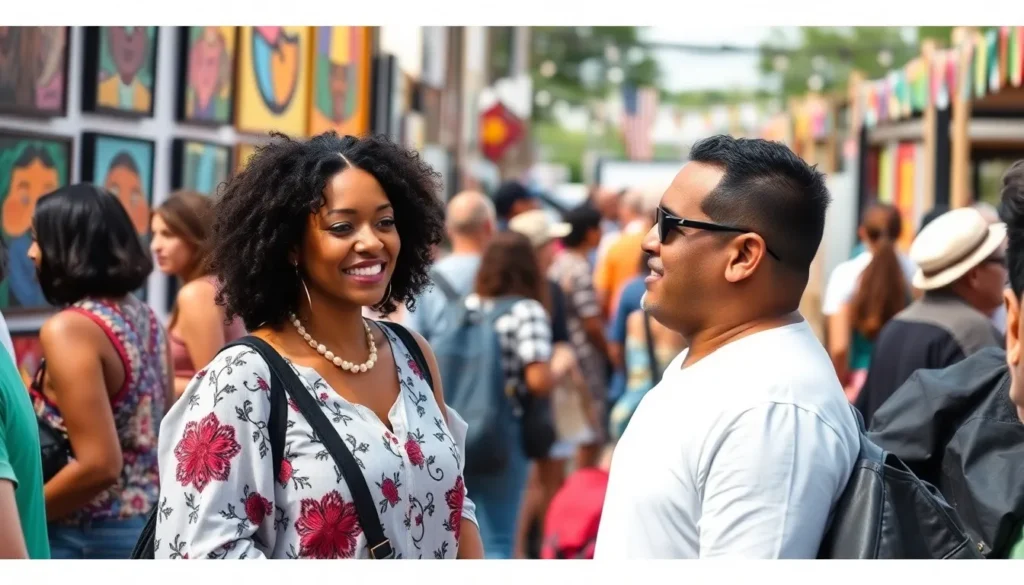
Cultural coverage plays a crucial role in society. It fosters connections and enriches understanding across various communities.
Representation in Media
Media representation shapes narratives. Accurate portrayals of diverse cultures help dismantle stereotypes. Journalists highlight traditions and practices, showcasing authentic voices. Engaging storytelling brings visibility to underrepresented communities, allowing their perspectives to resonate. Various forms, such as documentaries and articles, provide depth and context. By prioritizing cultural experiences, media promotes inclusivity and respect among audiences. Events like local art shows or food festivals often receive essential coverage that amplifies community identity.
Impact on Society
Cultural coverage significantly influences societal dynamics. It fosters empathy by illuminating the experiences of different communities. Through in-depth reporting, readers gain insights into the challenges and celebrations of others. Engaging narratives spark curiosity, leading to greater awareness of diverse cultural practices. As people connect with unfamiliar traditions, they cultivate respect and appreciation for differences. Moreover, this coverage encourages dialogue and collaboration among cultural groups. Increased visibility of varied lifestyles promotes cohesion and understanding, ultimately enriching the societal fabric.
Challenges in Cultural Coverage
Cultural coverage faces several challenges that affect its effectiveness.
Bias and Stereotyping
Bias and stereotyping often cloud cultural narratives. Media outlets may unintentionally promote narrow perspectives, leading to a misrepresentation of entire communities. Such portrayals can reinforce harmful stereotypes, overshadowing the richness of diverse cultural practices. A single story frequently dominates the narrative, diminishing the visibility of different experiences. Misunderstanding can arise when complex identities get simplified into one-dimensional images. Journalistic responsibility demands a commitment to accurate representation, as this significantly impacts audience perceptions.
Access and Visibility
Access to cultural stories varies greatly across regions and communities. Some underrepresented groups struggle to gain media attention, limiting their representation in public discourse. Journalists often prioritize sensational stories, gravitating towards mainstream narratives. This prioritization can overshadow important cultural expressions from smaller or marginalized communities. Innovations in digital media offer new platforms, but disparities in access still exist. Creatives without resources may find it challenging to share their narratives, contributing to a cycle of limited visibility. Increased awareness and effort toward equitable representation can help bridge these gaps.
Strategies for Enhancing Cultural Coverage
Enhancing cultural coverage involves implementing effective strategies that resonate with diverse audiences. Diverse storytelling methods and community engagement are key components in this process.
Inclusive Storytelling
Incorporating various perspectives enriches cultural narratives. Journalists prioritize authentic voices, ensuring representation from underrepresented communities. Engaging formats such as podcasts, videos, and articles allow for a broader understanding of cultural experiences. By embracing intersectional approaches, cultural coverage reflects multifaceted identities, fostering empathy. Audiences gain insight into the intricacies of different customs and traditions, enhancing relatability. Emphasizing authenticity in narratives cultivates respect and appreciation for diversity. Ultimately, this commitment to inclusivity transforms cultural reporting into a platform for shared human experiences.
Community Involvement
Building partnerships with local communities strengthens cultural coverage. Collaborating with grassroots organizations helps identify significant narratives that may otherwise remain hidden. Community members provide valuable insights, shaping stories that accurately reflect their experiences. Hosting cultural events encourages participation and fosters dialogue among audiences. Involving residents in storytelling not only boosts engagement but also empowers them to share their voices. By recognizing the importance of local context, media outlets ensure that cultural coverage resonates on a deeper level, bridging gaps between communities. This strategy cultivates a sense of belonging, enriching cultural understanding and fostering social cohesion.
Future of Cultural Coverage
Emerging technologies significantly shape the future of cultural coverage. These advancements allow journalists to access new storytelling platforms, reaching wider audiences with innovative content formats. Increased digital engagement promotes global interactions, making diverse cultural narratives more visible.
Community-driven initiatives play a critical role in future cultural reporting. Collaborations with local artists and organizations foster authenticity, providing a platform for underrepresented voices. By highlighting grassroots movements, media can effectively capture the essence of local cultures while reducing bias.
Data-driven journalism offers opportunities for deeper insights into cultural trends. Analyzing audience engagement can help tailor stories that resonate with specific demographics, ensuring relevance and impact. Journalists gain valuable perspectives through metrics, enhancing the understanding of audience preferences.
Sustainability trends are becoming increasingly important in cultural coverage. Documenting cultural practices that emphasize environmental consciousness can inspire positive change within communities. This approach encourages media outlets to integrate social responsibility into their reporting.
Inclusivity remains a vital component of future cultural narratives. Emphasizing diverse perspectives helps to dismantle stereotypes and foster empathy. Engaging with various communities lifts authentic stories, creating a richer understanding of societal dynamics.
Finally, educational institutions contribute to the evolution of cultural coverage. By training the next generation of journalists in ethical storytelling, media can enhance cultural understanding and social awareness. Cultivating talent focused on authentic representation ensures that cultural coverage evolves to reflect a multifaceted world.
Cultural coverage serves as a bridge connecting diverse communities and enriching societal understanding. By highlighting authentic voices and fostering empathy through engaging narratives, it plays a crucial role in dismantling stereotypes and promoting inclusivity. As media continues to evolve, the need for equitable representation and authentic storytelling becomes increasingly important. Journalists must prioritize collaboration with local communities and embrace innovative formats to ensure that underrepresented cultures receive the attention they deserve. By doing so, cultural coverage not only reflects the richness of human experiences but also strengthens the social fabric, paving the way for greater appreciation and respect among all cultures.