
Table of Contents
ToggleEthiopian cultural dress is a vibrant tapestry woven with history, tradition, and a splash of flair that’ll make anyone do a double take. From the elegant white cotton garments known as “habesha kemis” to the colorful shawls that could rival a rainbow, these outfits are more than just fabric—they’re a celebration of identity.
Overview of Ethiopian Cultural Dress
Ethiopian cultural dress reflects a rich tapestry of history and tradition. The “habesha kemis” stands out as a quintessential garment, typically made from white cotton fabric. This elegant dress often features intricate embroidery, particularly around the neckline and hem, showcasing the wearer’s regional identity.
Traditional shawls, known as “netela,” complement the habesha kemis. Made from lightweight cotton, netela serves both decorative and functional purposes. Various patterns and colors highlight the regional diversity found across Ethiopia.
Cultural significance anchors these garments in celebrations and ceremonies. Weddings, religious observances, and festivals often see participants donning their finest attire, reinforcing communal ties and individual heritage. These outfits transcend mere fashion, embodying national pride and cultural resilience.
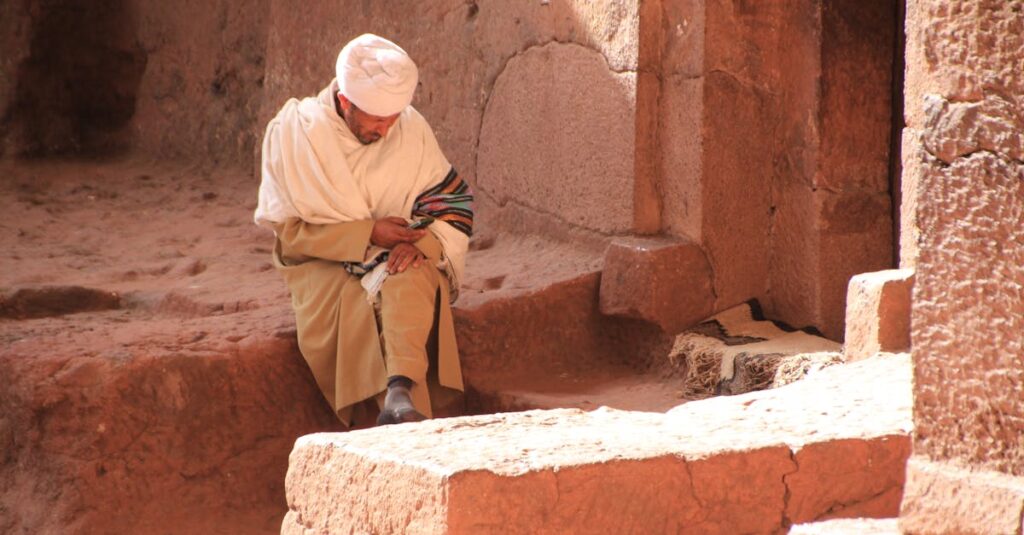
Men’s attire, although less discussed, bears its own cultural weight. The “netela,” worn by men, manifests similarly in design to women’s versions but reflects masculine styles. Long trousers and shirts, often adorned with traditional patterns, complete the male ensemble.
Symbols in Ethiopian dress convey meaning beyond aesthetics. Each design element narrates stories of lineage, belief, and social standing. This symbolism contributes to the definition of Ethiopian identity, uniting people in a shared cultural narrative.
Overall, Ethiopian cultural dress represents an enduring legacy. The commitment to traditional fashion illustrates respect for heritage and the vibrant spirit of the Ethiopian people. As such, these garments serve as vital connectors to the past and strong beacons of cultural pride.
Historical Significance
Ethiopian cultural dress carries deep historical significance, showcasing a rich tapestry of traditions and identity. Many garments symbolize not just aesthetics but also cultural values woven into their fabric.
Ancient Traditions
Ancient traditions shape Ethiopian garment styles, reflecting centuries of diverse cultures. Religious and social contexts influenced designs, with distinct patterns emerging from various tribes and regions. The habesha kemis appeared as a representation of national identity, particularly for women, while men wore traditional attire that highlighted their roles in society. Historical records reveal the close ties between attire and community belonging, emphasizing the meaning behind each detail. Ancient textiles often featured symbolic motifs, connecting generations and preserving cultural narratives.
Evolution Over Time
Over time, Ethiopian dress evolved alongside societal changes. Colonization, globalization, and modern influences reshaped styles while preserving core elements. New fabrics and techniques emerged, blending tradition with contemporary fashion. Traditional ceremonies still showcase authentic garments, maintaining a bridge to the past. While modern adaptations may introduce new designs, the fundamental essence reflects cultural pride. Adaptations of the habesha kemis and netela reveal the ongoing dialogue between heritage and modernity, demonstrating resilience in identity expression. Each evolution marks a chapter in a broader story of cultural continuity.
Types of Ethiopian Cultural Dress
Ethiopian cultural dress exhibits a stunning variety influenced by regional identities and occasions. This diversity showcases the nation’s rich heritage and pride.
Traditional Clothing by Region
Regional styles reflect Ethiopia’s cultural landscape. In the northern regions, the habesha kemis, often worn by women, features bright colors and intricate patterns. Southern and southwestern areas favor garments like the “kuta,” a traditional wrap adorned with local motifs. Men’s clothing varies as well; in the east, men typically wear the “gabi,” a handwoven cloak. Each region’s attire communicates distinct cultural narratives and community values.
Special Occasions Attire
Special occasions call for unique garments. Weddings often see the habesha kemis worn by brides, signifying purity and cultural pride. Festivals feature vibrant outfits, with participants showcasing traditional dress that celebrates heritage. In religious ceremonies, people may opt for white clothing, symbolizing peace and unity. These dresses aren’t just clothes; they embody the spirit of celebration and collective identity, reinforcing connections among the community.
Fabrics and Patterns
Ethiopian cultural dress showcases a vibrant array of fabrics and patterns deeply connected to the country’s diverse heritage.
Common Materials Used
Cotton ranks as the primary material for traditional garments like the habesha kemis. This natural fiber provides comfort and breathability, essential for varying climates. Silk also plays a role in creating luxurious attire, especially for special occasions. Sheep wool features prominently in men’s clothing, particularly for the gabi, which provides warmth. Additionally, artisans incorporate locally sourced dyes to enhance colors and patterns, using techniques passed down through generations. Textiles often reflect distinct regional qualities, emphasizing each area’s unique cultural identity.
Symbolism in Designs
Patterns in Ethiopian cultural dress often carry profound significance. Each motif serves as a narrative, sharing stories of heritage and community. Geometric shapes frequently symbolize unity or strength among various tribes. Floral designs reflect beauty and connection to nature. Colors also convey meaning, with white symbolizing peace and purity, particularly during religious ceremonies. Other hues represent specific cultural attributes; for instance, bright colors may signify joy during celebrations. Incorporating these symbolic elements fosters a sense of identity and pride within individuals and communities alike.
Modern Influences on Ethiopian Dress
Modern influences have significantly transformed Ethiopian dress while maintaining tradition. These influences integrate elements from global fashion trends and local designs, creating a unique fusion.
Fusion with Contemporary Fashion
Contemporary designers blend traditional Ethiopian patterns and styles with urban aesthetics. New silhouettes often feature the iconic habesha kemis, reimagined for modern settings. Accessories like statement jewelry complement these outfits, enhancing their appeal. Street style showcases a vibrant mix of traditional and contemporary elements, attracting younger generations. Moreover, popular fabrics now incorporate both traditional weaving and innovative materials, broadening the clothing market. Seasonal collections often highlight seasonal festivities, aligning heritage with current fashion trends.
Global Recognition
Global recognition of Ethiopian dress continues to grow, thanks to international fashion showcases. Designers often feature traditional garments in runway shows, drawing attention to their cultural significance. Fashion weeks in major cities highlight the artistic techniques used in Ethiopian textiles, promoting awareness. Collaborations between local artisans and global brands further elevate these garments, creating a dialogue between cultural heritage and modern design. As interest in sustainable fashion rises, Ethiopian materials gain appeal for their unique qualities. The international spotlight fosters pride among Ethiopian people, reinforcing the cultural narrative embedded in their attire.
Ethiopian cultural dress stands as a testament to the nation’s rich heritage and vibrant identity. Each garment tells a story of tradition and community, encapsulating the essence of Ethiopia’s diverse regions. The interplay of colors patterns and fabrics not only enhances aesthetic appeal but also reinforces cultural pride among the Ethiopian people.
As modern influences blend with traditional styles the significance of these garments continues to evolve. The habesha kemis and other attire remain vital expressions of individuality and heritage. This enduring legacy ensures that Ethiopian cultural dress will always be a source of connection to the past and a celebration of the future.