

Magazine covers are the flashy storefronts of the publishing world, beckoning readers to dive into a treasure trove of stories. They’re not just pretty pictures; they’re the first impression that can make or break a publication’s success. With just a glance, a well-designed cover can spark curiosity and demand attention, making it the ultimate visual hook.
Imagine flipping through a sea of magazines and landing on one that practically screams, “Pick me!” That’s the power of effective design. It’s all about balancing eye-catching visuals with compelling typography and a dash of creativity. In a world overflowing with content, a magazine cover isn’t just a cover; it’s the ultimate invitation to explore what lies within. So, let’s dive into the art and science behind crafting those irresistible covers that keep readers coming back for more.
Overview of Magazine Covers Design
Effective magazine covers serve as essential tools in the publishing industry. They capture attention and encourage readers to delve deeper into the content.
Importance of Visual Appeal
Visual appeal plays a critical role in drawing potential readers. Bold colors, striking images, and innovative layouts create an instant connection. A well-composed cover can stand out on newsstands, increasing the likelihood of a reader picking it up. Readers often form first impressions based solely on visual elements, making them crucial to overall engagement. Engaging typography can complement compelling imagery, enhancing the narrative. Therefore, harmonious blending of these components elevates cover design, creating an invitation to discover more inside.
Role in Brand Identity
Magazine covers significantly contribute to establishing brand identity. Consistent design elements reinforce brand recognition across issues. Iconic colors, fonts, and layouts can create a recognizable style that resonates with specific audiences. When readers see a familiar cover, they often associate it with the magazine’s voice and values. This relationship fosters loyalty and encourages repeat purchases. Each cover serves not only as a promotional tool but also as a visual representation of the publication’s identity. In such a competitive market, strong brand identity achieved through cover design can mean the difference between success and obscurity.
Elements of Effective Magazine Covers
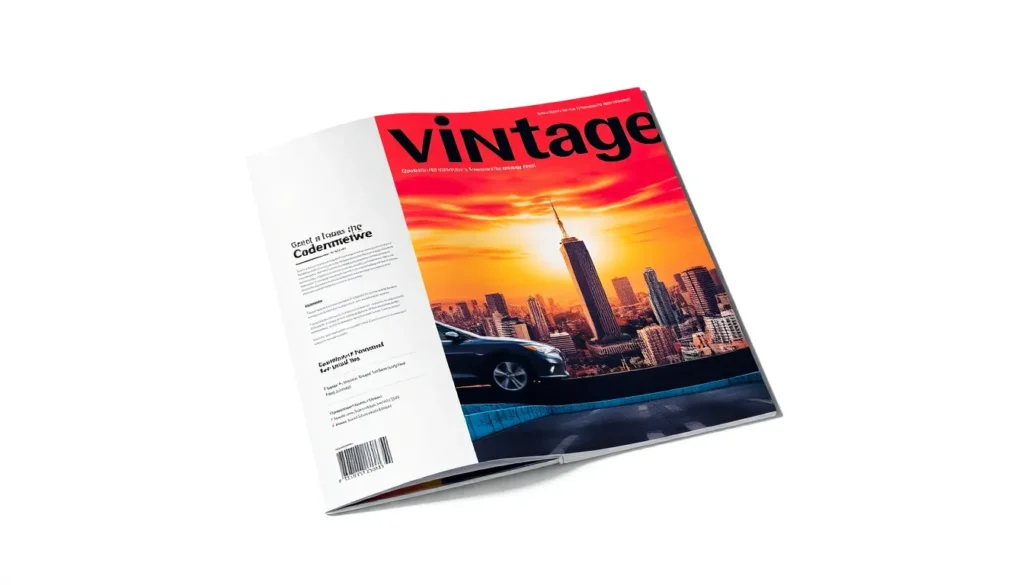
Effective magazine covers incorporate various design elements that engage potential readers and convey the publication’s essence. Key aspects include typography choices, color schemes, and imagery.
Typography Choices
Typography serves as a primary tool in creating visual hierarchies. Bold fonts catch the eye immediately, while complementary typefaces enhance readability. Different font sizes help emphasize important story headlines and feature elements. Consistency in font usage builds brand recognition, connecting the audience with the publication. Creative typography can reflect the magazine’s theme and style, drawing attention and supporting the cover’s overall narrative.
Color Schemes
Color schemes significantly impact a magazine cover’s appeal. Strategically selected colors evoke emotions and set the tone for the publication. Contrasting colors create visual interest and highlight essential elements, ensuring they stand out. Harmonious palettes foster a cohesive look, enhancing brand identity. Seasonal colors or trending shades contribute to timely relevance, making the cover more compelling to readers.
Imagery and Photography
Imagery and photography play a crucial role in conveying the magazine’s message. High-quality images capture attention and pique curiosity, while compelling visuals can tell a story at a glance. Unique perspectives and innovative compositions enhance the visual narrative, engaging viewers emotionally. Consistency in image style fosters brand identity, as recognizable photography can make a publication memorable. Effective images resonate with the target audience and support the magazine’s overarching theme.
Trends in Magazine Covers Design
Design trends in magazine covers evolve rapidly, reflecting cultural shifts and audience preferences. Current styles emphasize both minimalism and bold graphics, creating a dynamic visual landscape.
Minimalism and Clean Aesthetics
Minimalist designs draw attention through simplicity. Clean lines and ample white space allow imagery and typography to stand out, ensuring immediate reader engagement. This approach often favors muted color palettes, which evoke calmness and sophistication. Attractiveness lies in the uncluttered presentation, appealing to audiences seeking clarity. Several successful brands employ this strategy, reinforcing their identities while maintaining a modern feel.
Bold Graphics and Illustrations
Bold graphics grab viewer attention effectively. Striking illustrations and vibrant colors create an immediate impact, encouraging readers to explore content further. Unique visuals often convey complex ideas or emotions at a glance, fostering deeper connections. Many publications utilize this trend to differentiate themselves in a crowded market. Eye-catching designs through imaginative art styles can establish strong brand recognition, making covers more memorable and engaging.
Case Studies of Iconic Magazine Covers
Examining well-known magazine covers reveals their lasting impact on design and culture. These iconic examples demonstrate essential design principles that engage readers effectively.
Analysis of Timeless Designs
Classic covers embody design elements that resonate across decades. For instance, the Vogue cover featuring Twiggy in 1967 showcases bold photography and clean typography, capturing the essence of the era. Likewise, National Geographic’s striking cover of the Afghan Girl in 1985 features powerful imagery that tells a compelling story. Designers emphasize visual hierarchy in these examples, ensuring that the focal images captivates attention while typography enhances readability. Consistency in color schemes and layout reinforces brand identity, enabling these covers to withstand the test of time.
Influence on Popular Culture
Certain magazine covers impact pop culture significantly, shaping trends and conversations. The Time magazine cover featuring the Person of the Year has become a cultural touchstone, influencing perceptions of leadership and impact. Similarly, Rolling Stone’s covers of music legends redefine how the industry showcases artists, influencing public opinion and style. Such covers highlight crucial moments in history and societal shifts. Visual storytelling in these instances creates emotional connections that invite readers to explore the publication’s content further, establishing a dialogue between the magazine and its audience.
Magazine cover design plays a pivotal role in attracting and engaging readers. It’s not just about aesthetics; it’s about creating an immediate connection that invites exploration. Effective covers leverage bold visuals and thoughtful typography to convey a magazine’s identity and message.
As trends evolve, staying attuned to audience preferences is essential for success. Whether embracing minimalism or vibrant graphics, the right design choices can foster brand loyalty and recognition. Iconic covers serve as lasting reminders of the power of visual storytelling, influencing culture and sparking conversations.
Ultimately, a well-crafted magazine cover is more than a visual element; it’s an invitation to discover the stories within.